How Cities Can Become Carbon Sinks: New Report + Real-World Solutions
The City CDR Initiative, a non-profit comprised of cities, partners, and developers working to embed Carbon Dioxide Removal (CDR) into urban planning worldwide, recently published its report Pathways to Carbon Sink Cities: Need-Gap Analysis. Building on their Vision Paper launched at Climate Week NY in September, this new report focuses on how cities can deploy CDR at scale, where the opportunities lie, and what governance gaps still hold cities back.
At Bioforcetech, we work at the intersection of urban waste transformation, and the development of products with real-world carbon reduction applications, so it is always encouraging to see a report that aligns with the work we do every day.
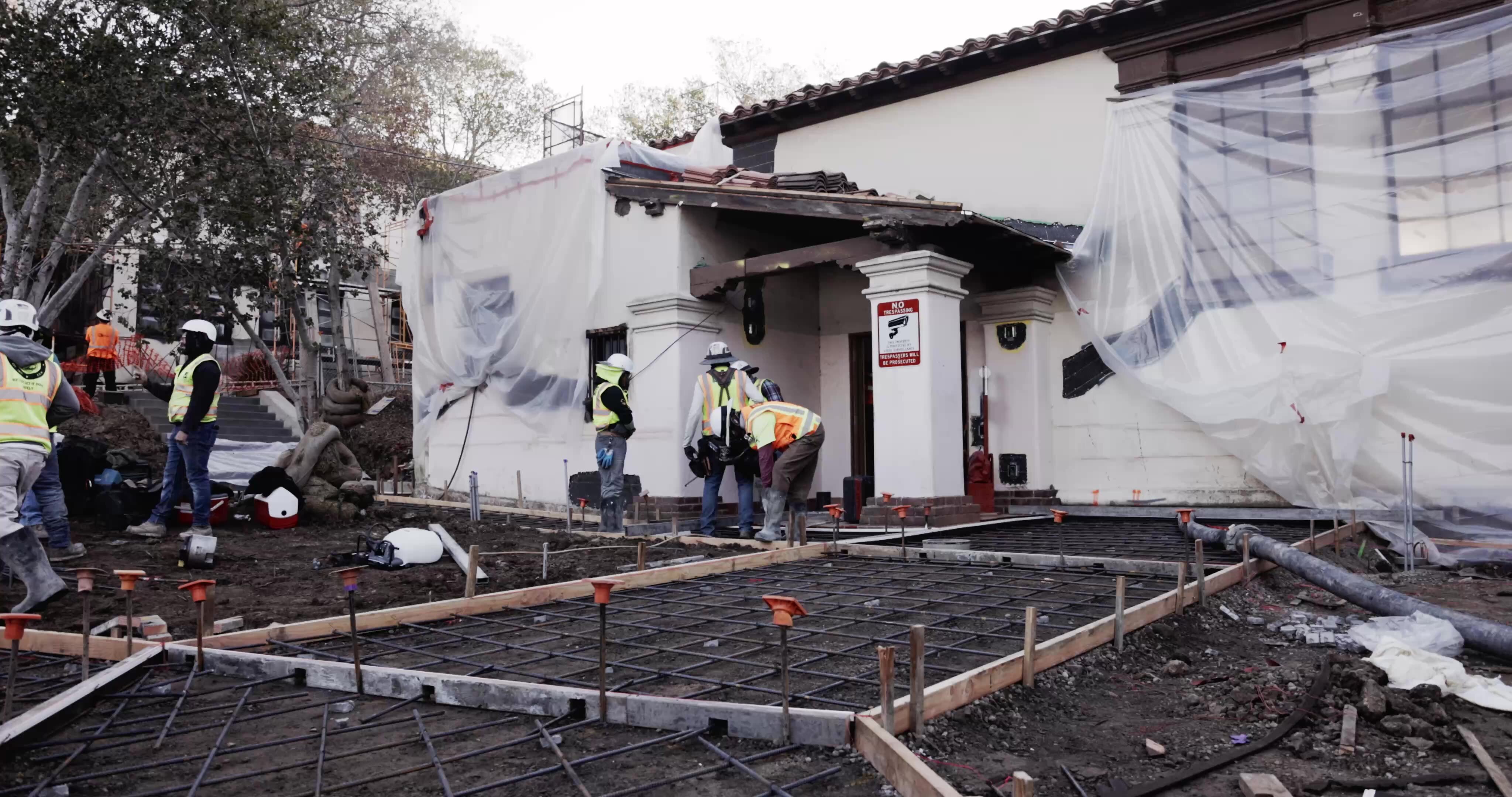
There were several key takeaways from the report. The first is that for cities aiming to reach net-zero or net-negative emissions, CDR is not optional — it is necessary. “Any city aspiring to achieve a state of climate neutrality or net-zero greenhouse gas emissions will need carbon removal to balance residual emissions. In the unfolding climate crisis, urban carbon dioxide removal (CDR) can moreover contribute to global climate restoration.” Bioforcetech’s system epitomises this approach, stopping the trucking, landfilling, and land application of contaminated biosolids and instead producing a carbon negative industrial input with no grid heat burden that can be utilized to build the very city that the technology is installed in.
The opportunity for cities to become carbon sinks should not be a futuristic idea; instead, it’s a systems-thinking approach that can be deployed today by treating cities as interconnected networks that use a circular framework for energy, water, and waste. The report highlights how different CDR methods can work together to achieve net-zero goals. “A common presumption is that cities are densely built spaces with little room for large new carbon removal capacity.” However, “there are many opportunities for integrating carbon sinks into and around building units.”
One example highlighted in the report that is directly aligned with our work at Bioforcetech is the production and utilization of biochar from what we call ‘impact feedstocks;’ feedstocks that are causing harm today in their current management practices. We were delighted to see sewage sludge overtly named as a waste feedstock that should be utilized for this production.
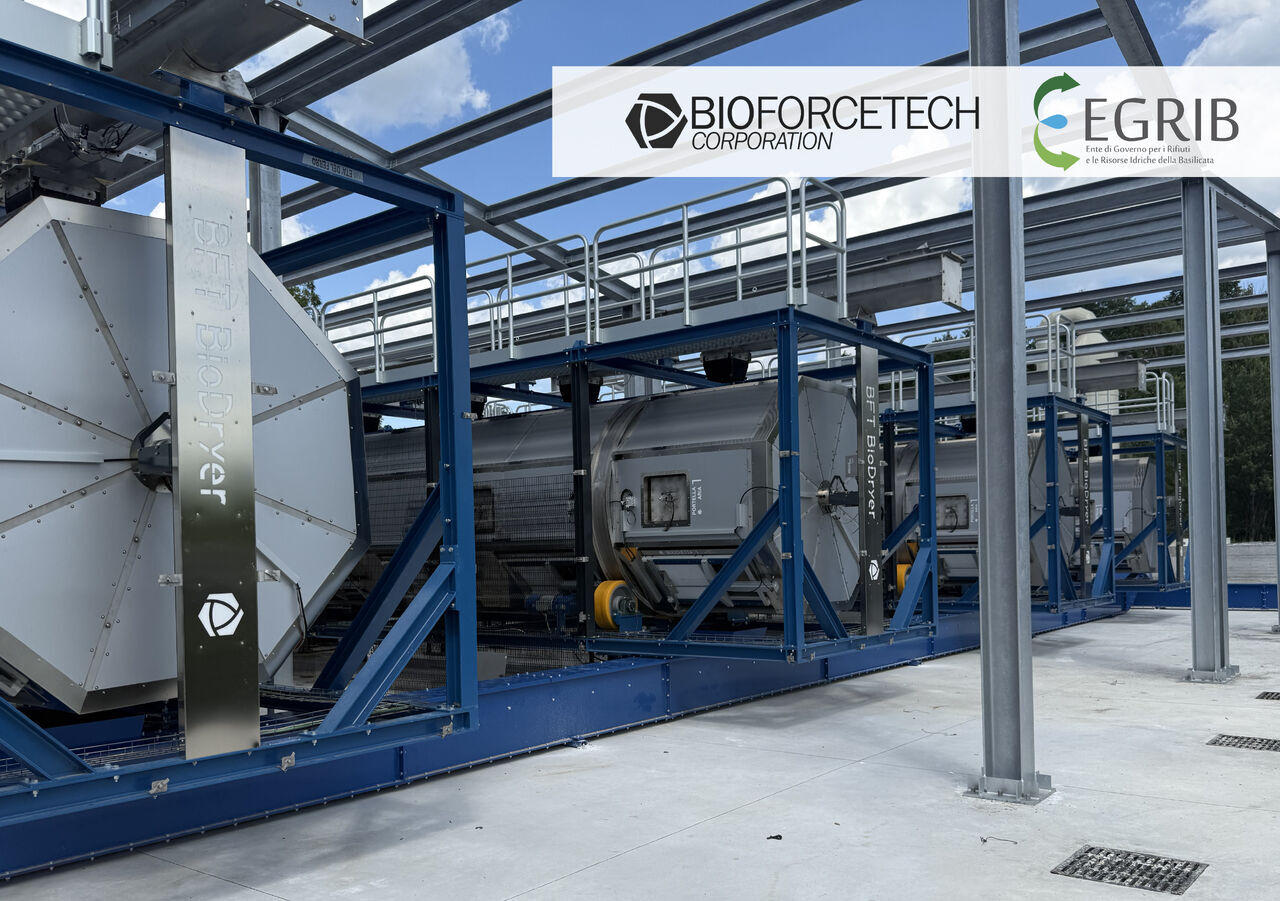
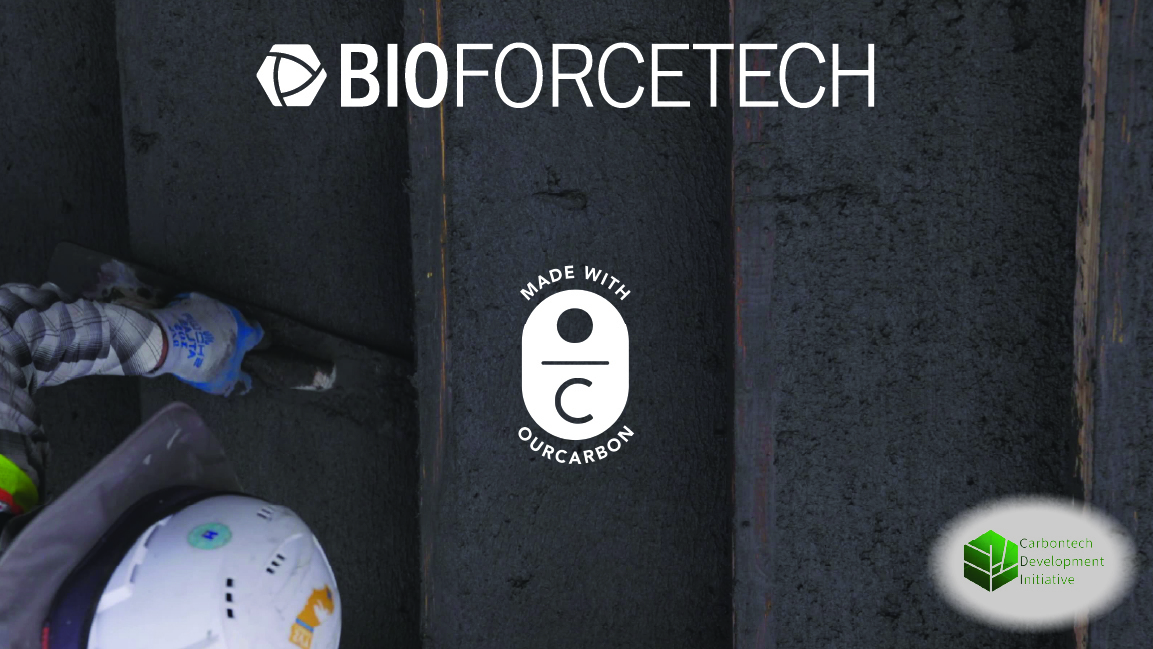
“Produce biochar from waste biomass available in the city, such as food waste and garden waste, sewage sludge, and urban green residues.” While creating biochar from these feedstocks is not easy, Bioforcetech has worked hard over the last thirteen years to create a system that can accomplish this under some of the most stringent emissions and processing standards in the world. Our biological drying and advanced patented pyrolysis technology converts biosolids into OurCarbon, a sustainable biochar used in concrete mixes.
Independent testing by Brown and Caldwell confirmed our Sigma Pyrolysis system achieved 99.98% PFAS removal across all output streams, including biochar, discharge water, and exhaust gases. Alongside other methods like Nature-based Solutions (NbS), Enhanced Rock Weathering, Direct Air Capture with Carbon Storage (DACCS), and Ocean Alkalinity Enhancement (OAE), these approaches demonstrate how cities can scale urban CDR by integrating municipal systems into “the very fabric of the built environment.”
A second takeaway is that local governments and municipalities play a critical role in adopting these CDR methods. “Municipal governments play an important role in supporting urban CDR methods and supply chains; their ability to enable hard and soft infrastructure development is vital. Adopting this role starts with understanding when to take ownership, assume a supporting role to the private sector, or simply ‘stand aside’.”
Bioforcetech has installed facilities in both the U.S. and Europe, and our local government partners are essential to advancing projects. Understanding local market dynamics, community priorities, and operational realities is necessary to advance waste transformation projects. Effective CDR deployment is about having the right technology, but it must also align with the leaders managing waste, water, land, and budgets.
A third key takeaway is the importance of environmental justice in how cities deploy CDR. “CDR can help repair historic climate injustice if designed to do so, or (unintentionally) exacerbate injustice.” That means inclusive decision-making, prioritizing protections for vulnerable communities, and building projects that create local benefits rather than local burdens. It also requires considering the cumulative impacts of both CDR projects and the carbon-emitting activities they are meant to balance.
At Bioforcetech, CDR methods can be a force for good and, in our case, help correct courses on waste disposal and prevent contaminants from entering our land and water systems. Waste transformation is not abstract; it has real impacts on real people and communities operating within limited municipal systems.
We have seen the consequences of using PFAS-contaminated sewage sludge on agricultural land, and how PFAS then enters our food supply and ultimately our bodies. Even recently, the EPA approved two specific PFAS chemicals as pesticides, a decision that has the potential to negatively impact entire communities. We take pride in the fact that our waste transformation process creates OurCarbon as a safe, circular output. As cities scale CDR, grounding these decisions in justice is essential if we want climate solutions that truly benefit everyone.
The Pathways to Carbon Sink Cities report provides a clear roadmap for how municipalities can integrate carbon removal into their urban systems while also identifying the governance and justice considerations that must guide deployment. Whether you work in climate planning, public works, waste management, or sustainability strategy, this report is a valuable resource for understanding what comes next. We encourage you to explore the complete Need-Gap Analysis and learn more about how Bioforcetech is helping cities transform waste into carbon-negative solutions that strengthen local climate resilience.