New York Follows Growing Trend on Addressing PFAS
In December 2025, New York Governor Kathy Hochul’s administration released new proposals to address the release of “forever chemicals” into the environment.
According to the official press release, “The Department of Environmental Conservation detailed several planned actions to tackle PFAS, per- and polyfluoroalkyl substances, including testing requirements for biosolids spread on fields in New York.”
“The actions by DEC address some concerns raised by advocates about potential PFAS releases, including spreading biosolids on agricultural land and discharge of wastewater into streams, rivers, and lakes.”
New York joins a growing number of states, including Maine, Michigan, Colorado, Massachusetts, Vermont, and Maryland, that have implemented new PFAS testing, source tracking, and product restrictions.
PFAS have been found in water, soil, and air, due to their use in industrial and consumer products. Their persistence and health impacts from exposure make them one of the most pressing environmental challenges of our time. PFAS has also been found in biosolids disposed of via land application and in fertilizers, with detrimental effects. In Texas, for example, PFAS in fertilizers were blamed for killing livestock and harming livelihoods.
Wastewater plants and biosolids programs, never designed to remove PFAS, are now faced with contamination that must be managed. It is encouraging to see New York and other states make progress toward managing PFAS at the source and not just downstream, but it is also unlikely that wastewater will be PFAS free quickly.
As more states address PFAS concerns, we are entering a new chapter in wastewater and biosolids management that will require innovation, collaboration, and science-driven leadership to protect communities and ecosystems.
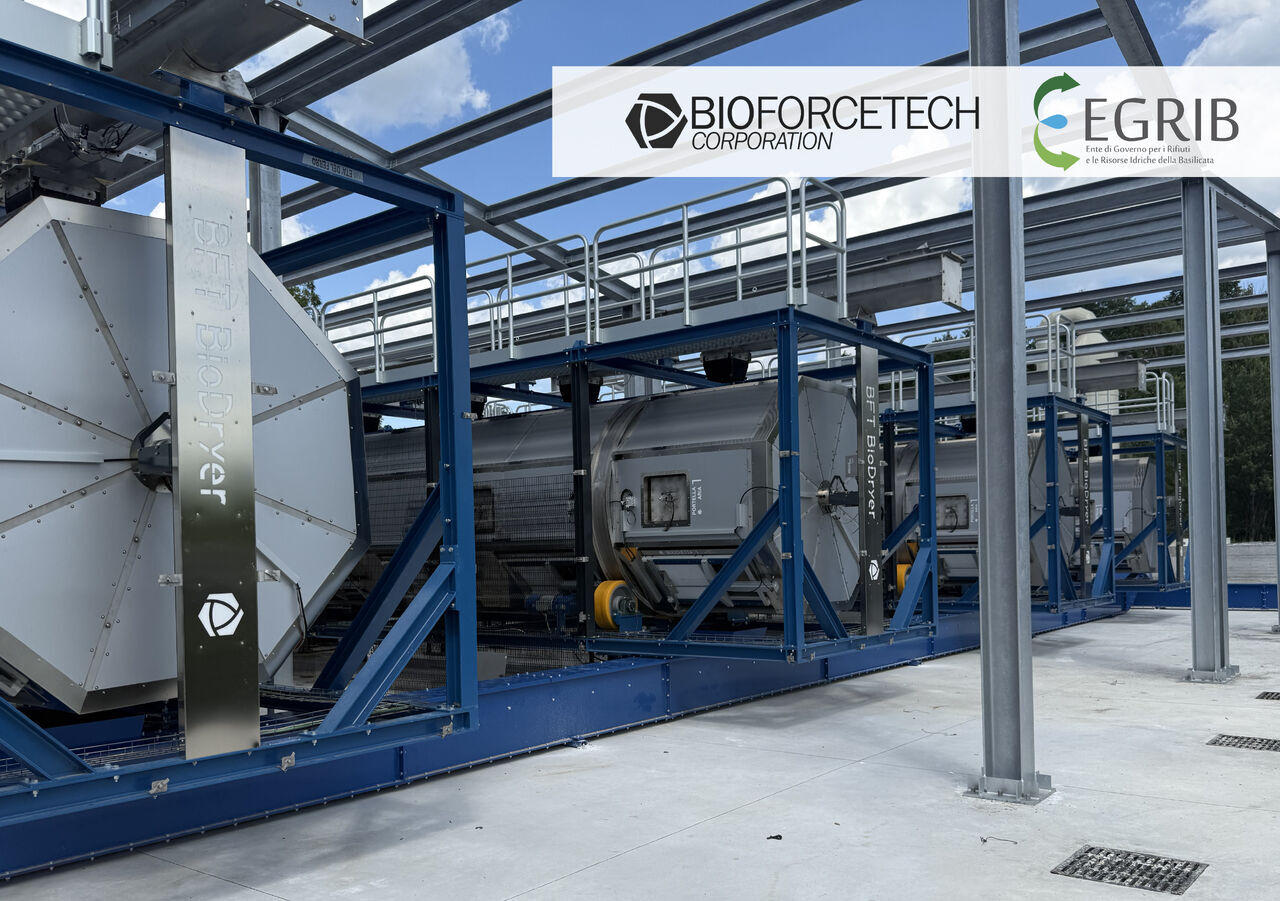
We are proud to contribute to this momentum. We recently announced that independent testing by Brown and Caldwell confirmed that our Sigma Pyrolysis system achieved 99.98% PFAS removal across all output streams, including biochar, discharge water, and exhaust gases. This finding upon initial testing by the US EPA which found similar results in 2020.
The Bioforcetech system is right sized for 80% of US Wastewater utilities, and BFT has proven the ability to remove PFAS on biosolids not yet served by a BFT system through our bench scale unit Feasibility Studies (inquire for more information). Coupled with the testing on our full scale unit, we are proud to be able to show a pathway to a PFAS free output product from wastewater plants that is not only clean, but is a value add to industry; OurCarbon®.
We look forward to supporting utilities and communities as PFAS regulations continue to evolve.