Understanding Biosolids: Types and Transformations for Sustainable Solutions
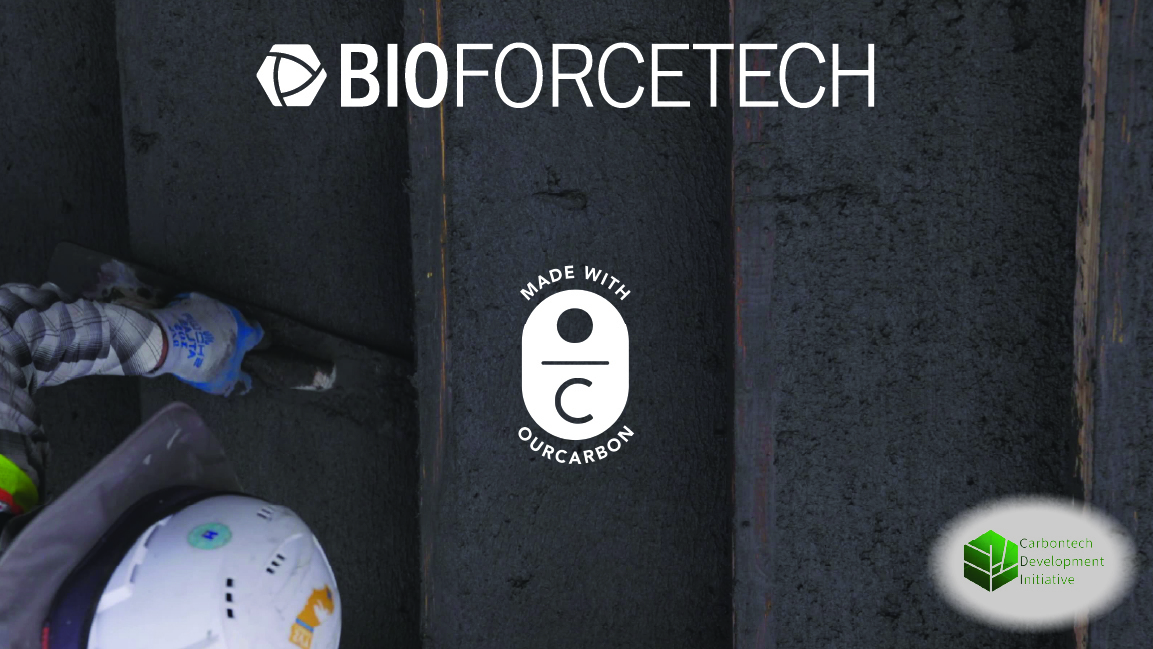
Biosolids play an important role in sustainable waste management and climate solutions. As innovators in organics management, we specialize in transforming waste into carbon-negative solutions through our biological drying and advanced patented pyrolysis technology to convert biosolids into OurCarbon®, a sustainable biochar used in concrete mixes, inks, and other materials.
Our work is built on a deep understanding of the different types of biosolids, their treatment processes, and how they can be turned into OurCarbon.
What Are Biosolids?
Biosolids are organic solids derived from the treatment of municipal wastewater. The Environmental Protection Agency (EPA) explains it like this “when domestic sewage is transported and conveyed to a wastewater treatment plant (WWTP), it is treated to separate liquids from the solids, which produces a semi-solid, nutrient-rich product known as sewage sludge.”
Because biosolids are rich in nutrients and organic matter, they can be valuable for various applications. However, the application can vary based on the treatment process they undergo. Thus, not all biosolids are created equal.
Biosolids Classes
Biosolids need to go through a stabilization process before they are classified as Class B or Class A. For example, digested biosolids have undergone the stabilization process using naturally occurring microorganisms through anaerobic digestion (without oxygen) or aerobic digestion (with oxygen). Drying and/or pyrolysis can be considered a stabilization process, as well as chemical treatments like lime stabilization.
Undigested biosolids, or raw sewage sludge, are biosolids that have not gone through biological, chemical or thermal stabilization processes and cannot be used for land application. Though sometimes referred to as biosolids, these sludges do not meet the EPA requirements for Class B, the lowest class to be met and considered a stabilized biosolids material.
There are three main types of biosolids based on their treatment levels, metals concentration, pathogen reduction, attraction to vectors, and suitability for land application: Class B, Class A, and Class A Exceptional Quality (EQ).
Class A vs Class B
The main difference between Class A and Class B biosolids is the level of pathogens, reduction of vector attractors, and heavy metals. Being a Class A or B biosolid greatly changes how the material can be used. Class A biosolids go through more intense treatment processes such as additional heating and digestion to reduce the amount of pathogens that are safer for public contact. They must also meet more stringent pollutant standards set by the EPA. Class A biosolids are generally considered safe to use in public settings such as parks and landscaping projects.
The highest quality Class A biosolid is characterized as Exceptional Quality (EQ). According to the EPA: “Exceptional Quality” or “EQ” sludge is treated sewage sludge that meets the most stringent pollutant and pathogen standards. “Once biosolids are treated to be Class A EQ, there are no additional requirements for land application. Thus, Class A EQ biosolids are often sold directly to the public for use in home gardens and on lawns in stores or directly from the wastewater treatment plant.”
Class B biosolids are treated to reduce the levels of pathogens, but might still contain detectable levels. Because of this, their usage is more restrictive, and they are more often used in agricultural applications and forests.
Transforming Biosolids into Sustainable Solutions
At Bioforcetech, the transformation of biosolids into Class A (EQ?) OurCarbon® biochar exemplifies a commitment to circular economy principles. The process is as follows:
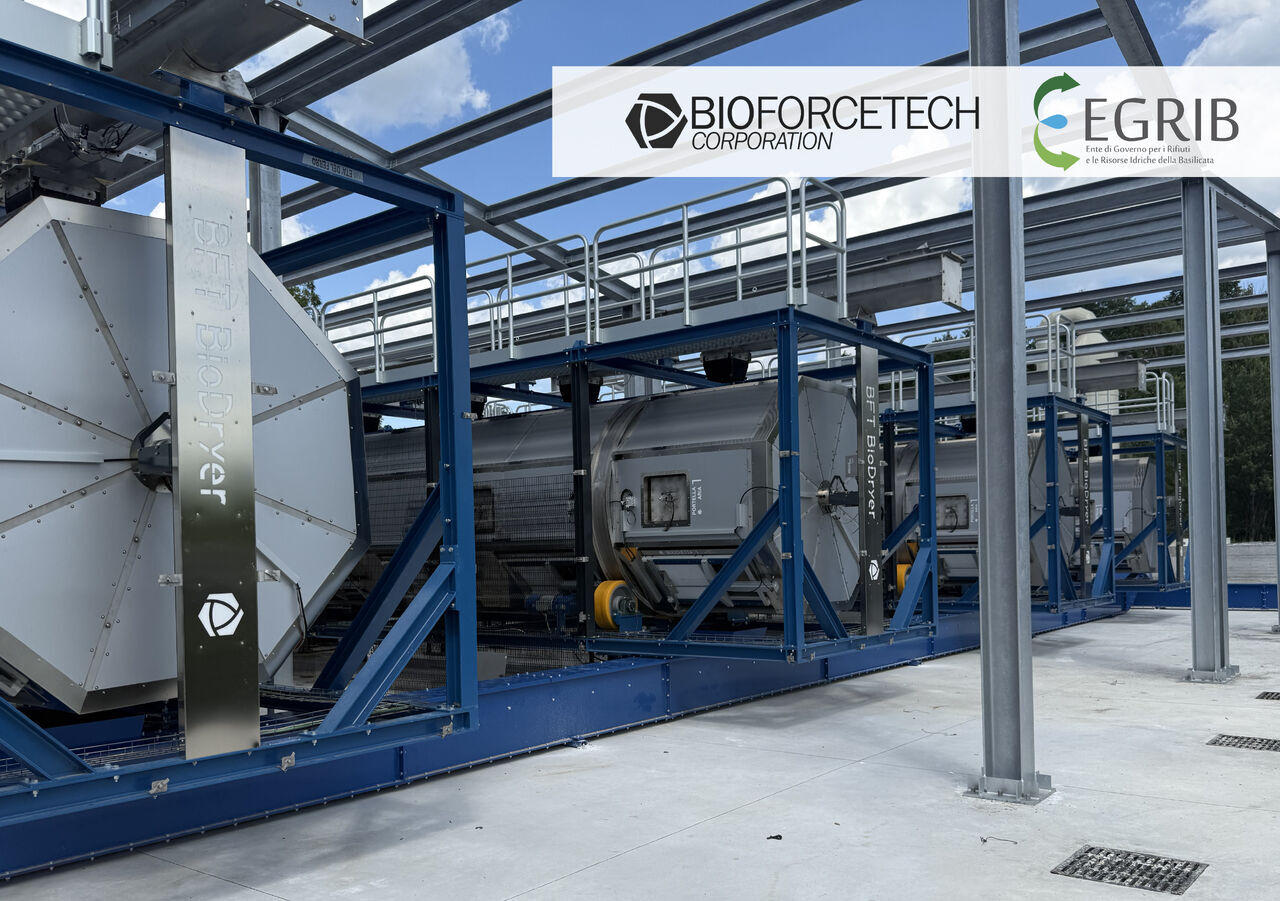
The BFT BioDryer, a modular drying unit that dries biosolids using up to 70% less energy than any other system on the market, leverages bacteria to generate heat and can process 1,000 tons of dewatered solids a year with incredibly low operations and maintenance. The result is a nutrient-rich Class A dried material that is 25% of the original mass, free of dust, and easy to manage as a biosolid product.
If a plant wants to advance their biosolids processing even further, BFt’s patented BFT Sigma One Pyrolysis unit, a cutting-edge Hybrid Pyrolysis System, converts any dried biosolid into high-quality biochar, OurCarbon, while maintaining strict control over temperature and residence time. The OurCarbon output can be utilized in industries well outside of normal biosolids management, including fashion, concrete, and more.
When is BFT equipment right for a Wastewater Plant?
Each wastewater facility is at a unique point in its journey, managing its treatment equipment, the growth of its population, and the costs associated with tipping fees for its biosolids. That said, there are key times where a BFT BioDryer system or BFT Sigma pyrolysis can be a major solution for a plant. For example, anaerobic digesters often serve as the main process condition to bring a sludge to a Class A biosolid. Many digesters were constructed decades ago, and their service life is coming to a close. When a plant is faced with a high cost to repair, replace, or expand digestion in order to continue producing Class A biosolids, the BFT system can instead serve as a less costly and more resilient option. In many cases, even BioDrying alone can bring undigested sludge to Class A, giving an option completely without digestion for a fraction of the cost.
Across the country, regulations on land application and landfill diversion are leaving plants with very high tipping fees for their sludge management. The BFT SigmaOne produces a material that can be managed by BFT with zero cost to a municipality. In select areas where the pressures of PFAS, landfill methane, and runoff are mounting, the BFT Sigma One pyrolysis is a vital option.
Addressing Environmental Concerns
Bioforctech’s treatment and transformation of biosolids address critical environmental issues. The BFT BioDryer greatly reduces trucking emissions, saves energy, and can bring an undigested sludge to a class A biosolid, depending on the plant.
The BFT Sigma takes this even further by removing and destroying contaminants, including PFAS, also known as "forever chemicals," to undetectable levels. Converting waste into biochar not only sequesters carbon but also creates a valuable resource for various industries, aligning with climate action goals.
This innovative approach redefines waste, turning a problem into a product and paving the way for a sustainable future in waste management.